
Optimal Timing for Gas Line Service
Understanding the optimal timing for gas line service is essential for safety and efficiency. Proper scheduling can prevent costly repairs and ensure reliable gas supply for residential and commercial properties.
Regular inspections help identify potential issues early, reducing the risk of leaks or failures. Annual checks are recommended for maintaining safety.
Scheduling gas line service before peak usage seasons ensures the system is prepared for increased demand, especially before winter.
After new construction or renovations, gas line servicing ensures all connections are secure and compliant with safety standards.
Any signs of gas leaks, reduced appliance performance, or unusual odors should prompt immediate professional assessment.
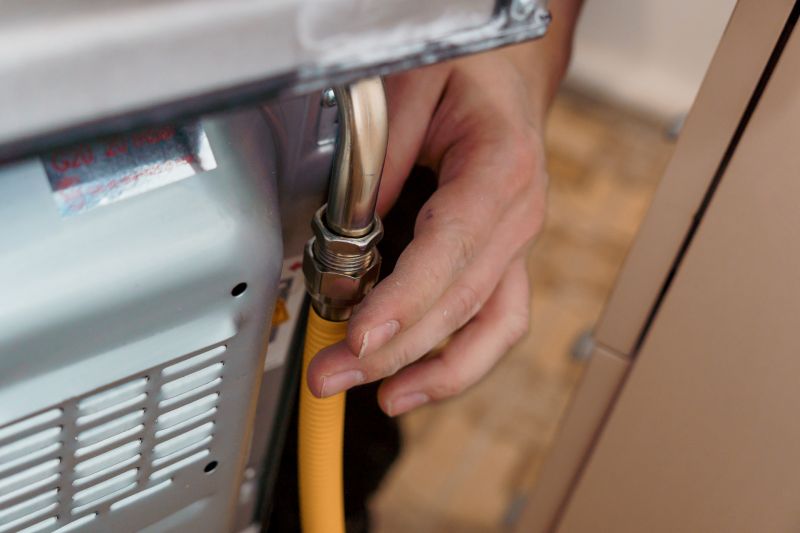
Technicians inspecting a gas line connection.
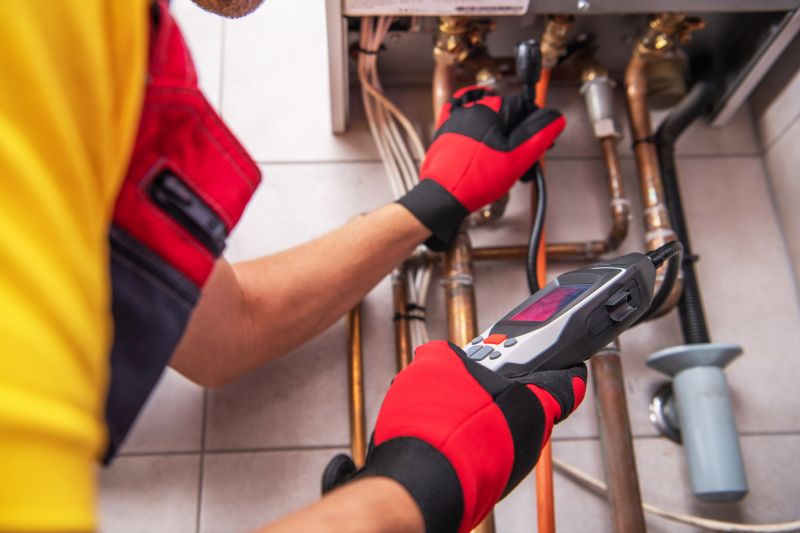
Specialized tools used for detecting leaks in gas lines.
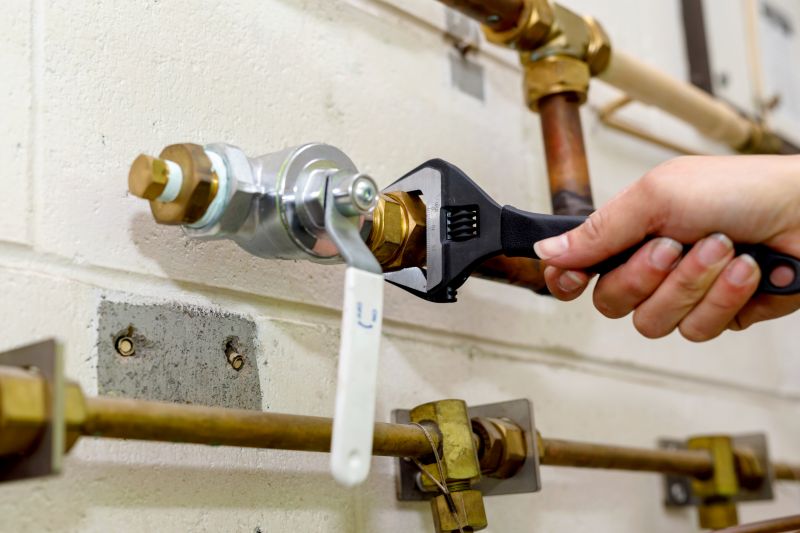
Repairing a gas line connection in a residential setting.
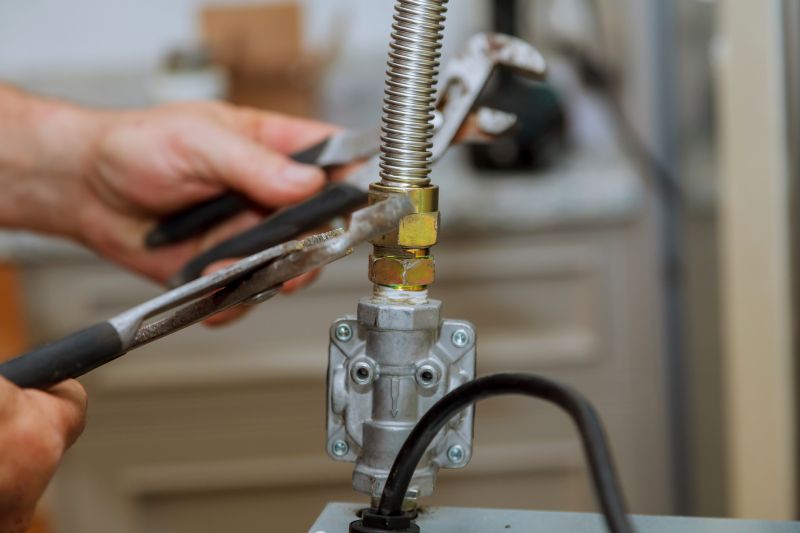
Installing new gas lines for a home renovation.
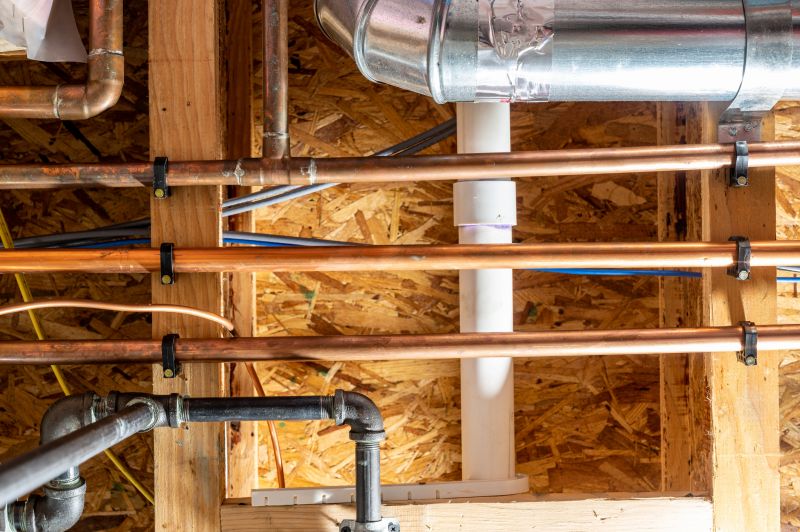
Ways to make Gas Line Service work in tight or awkward layouts.
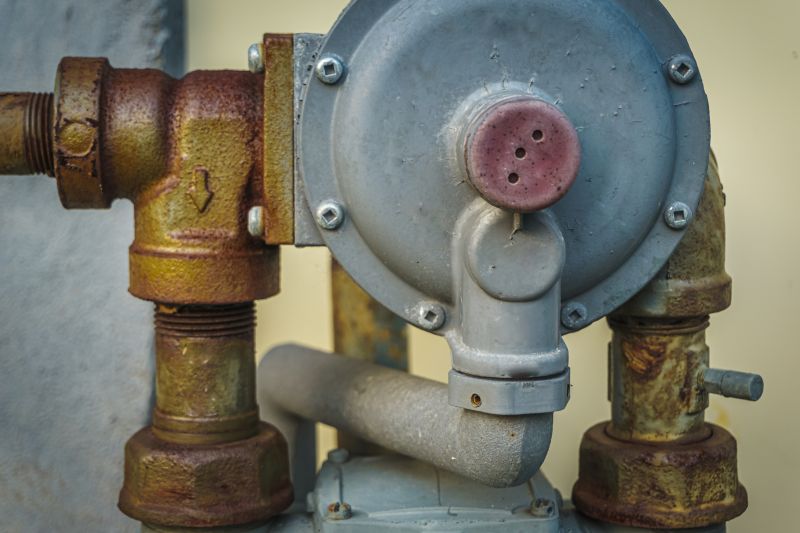
Popular materials for Gas Line Service and why they hold up over time.
Simple add-ons that improve Gas Line Service without blowing the budget.
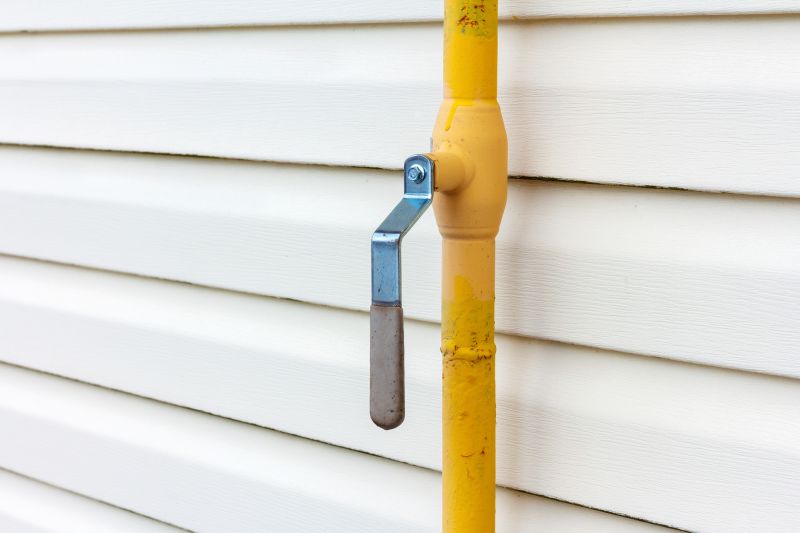
High-end options that actually feel worth it for Gas Line Service.
| Optimal Timing for Gas Line Service | Details |
|---|---|
| Annual Inspection | Ensures early detection of issues and compliance with safety standards. |
| Pre-Winter Check | Prepares the system for increased winter demand and prevents cold-weather failures. |
| Post-Construction | Verifies new installations are secure and operational. |
| When Issues Arise | Immediate assessment needed for leaks, odors, or appliance problems. |
| Scheduled Upgrades | Coordinate with professionals for safe system expansion or upgrades. |
| Seasonal Maintenance | Spring and fall are ideal for routine checks and maintenance. |
Gas line service plays a critical role in ensuring the safety and functionality of gas-powered appliances. Proper timing and regular maintenance help prevent hazards, improve system longevity, and maintain consistent gas supply. Professional technicians utilize advanced tools and techniques to inspect, repair, and upgrade gas lines, adhering to safety standards and regulations.
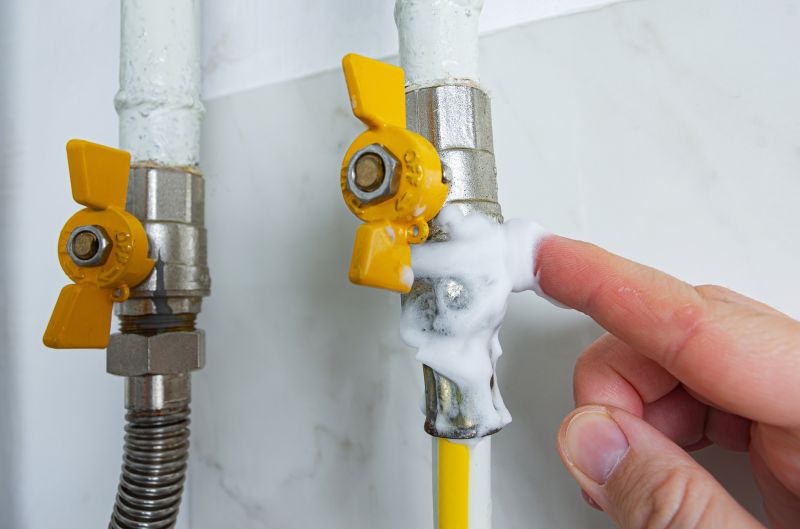
Technicians using gas leak detection equipment.
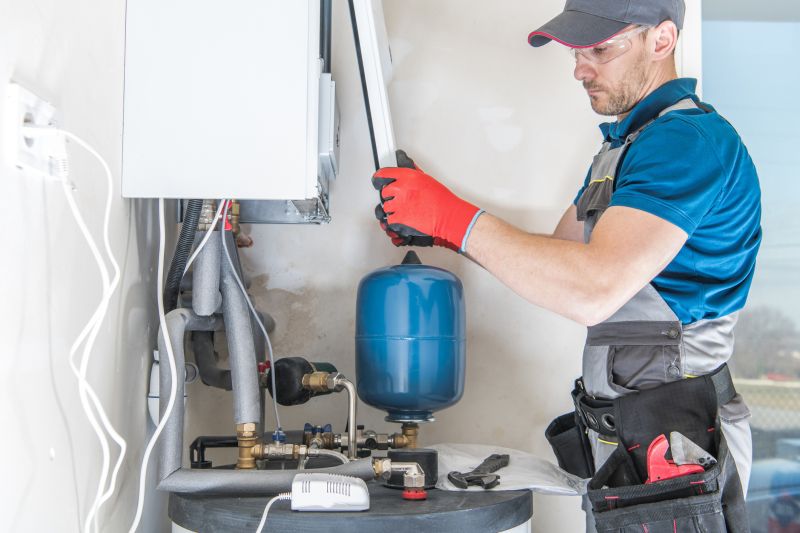
A technician repairing a gas line connection.
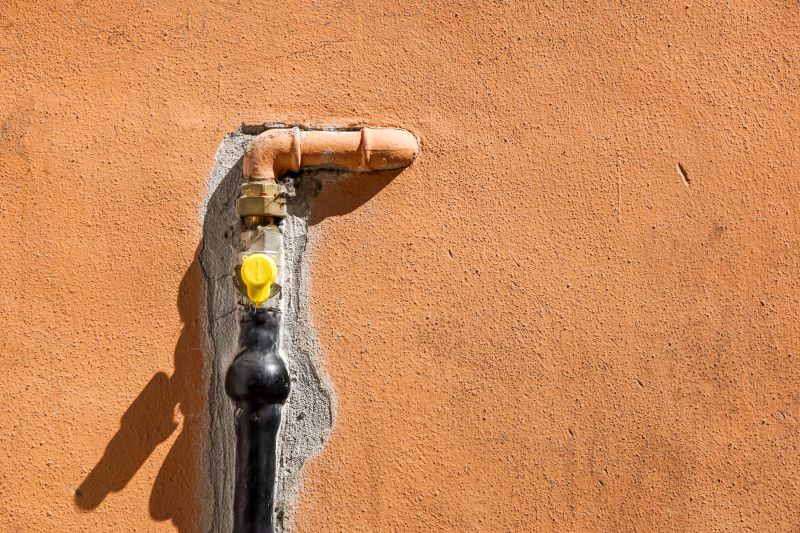
Installing new gas lines in a residential setting.
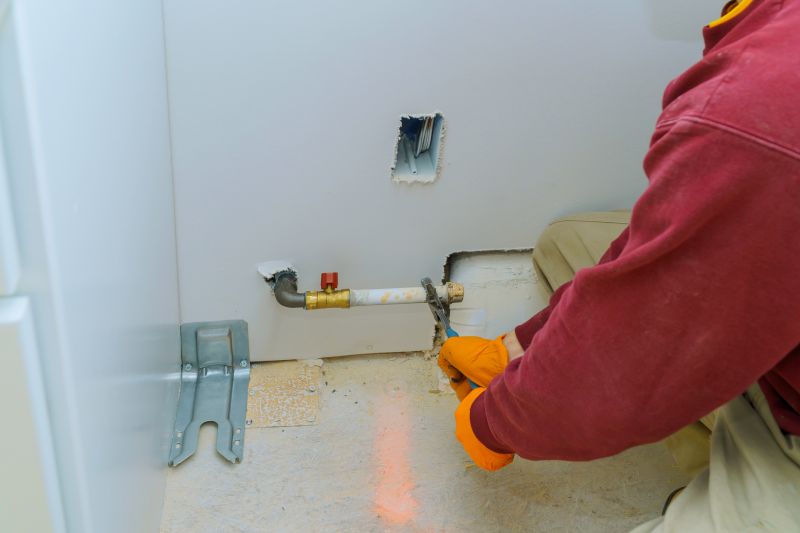
Inspecting gas lines for safety and compliance.
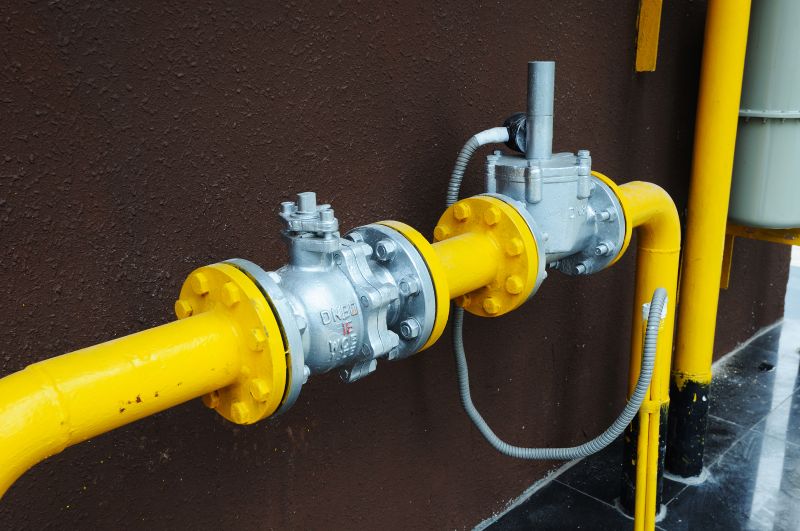
Finishes and colors that play nicely with Gas Line Service.
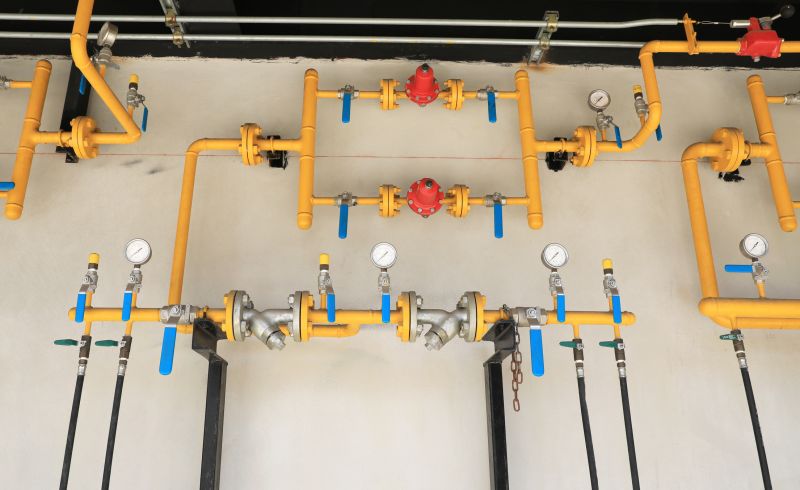
Little measurements that prevent headaches on Gas Line Service day.
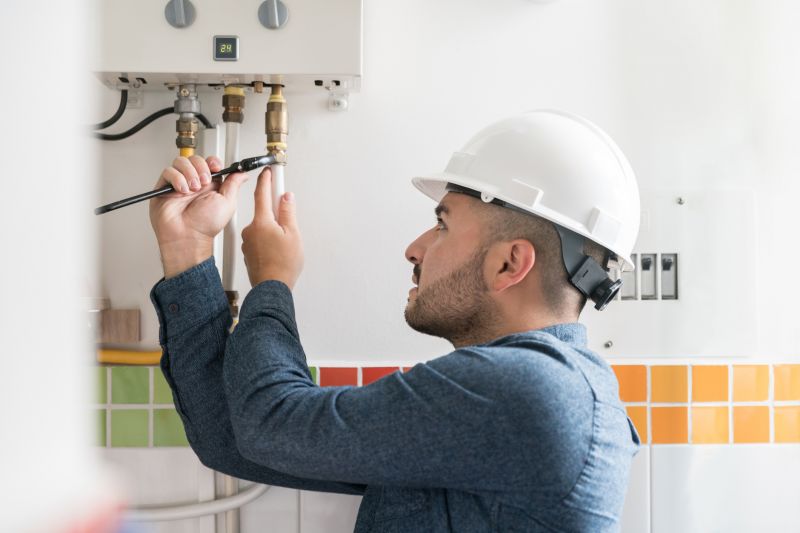
A 60-second routine that keeps Gas Line Service looking new.
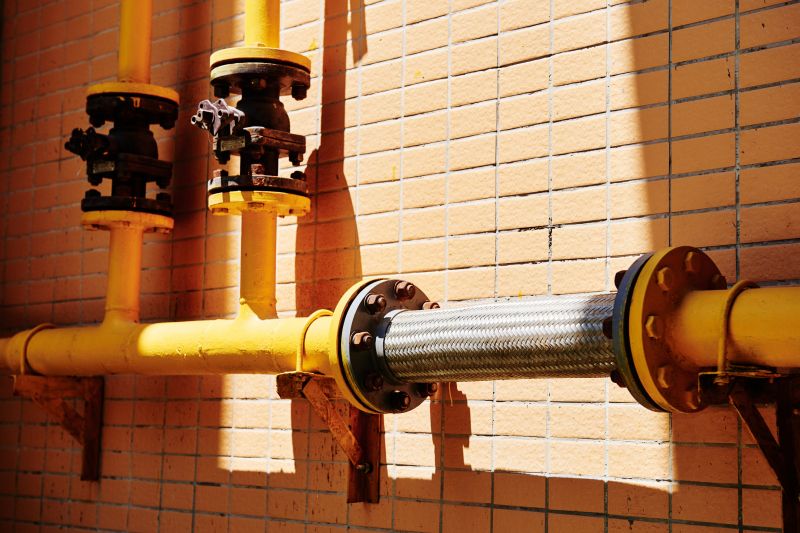
A frequent mistake in Gas Line Service and how to dodge it.
Timely gas line service is vital for maintaining safety, efficiency, and compliance. Regular inspections, especially before high-demand seasons or after construction, help identify potential issues early. Immediate attention to signs of leaks or damage can prevent dangerous situations and costly repairs.
Regular maintenance extends the lifespan of gas systems and ensures safety.
Early detection and repair of leaks prevent dangerous situations and improve system efficiency.
Upgrading old gas lines can improve safety and accommodate new appliances.
Immediate professional response is crucial when gas leaks or other issues are suspected.